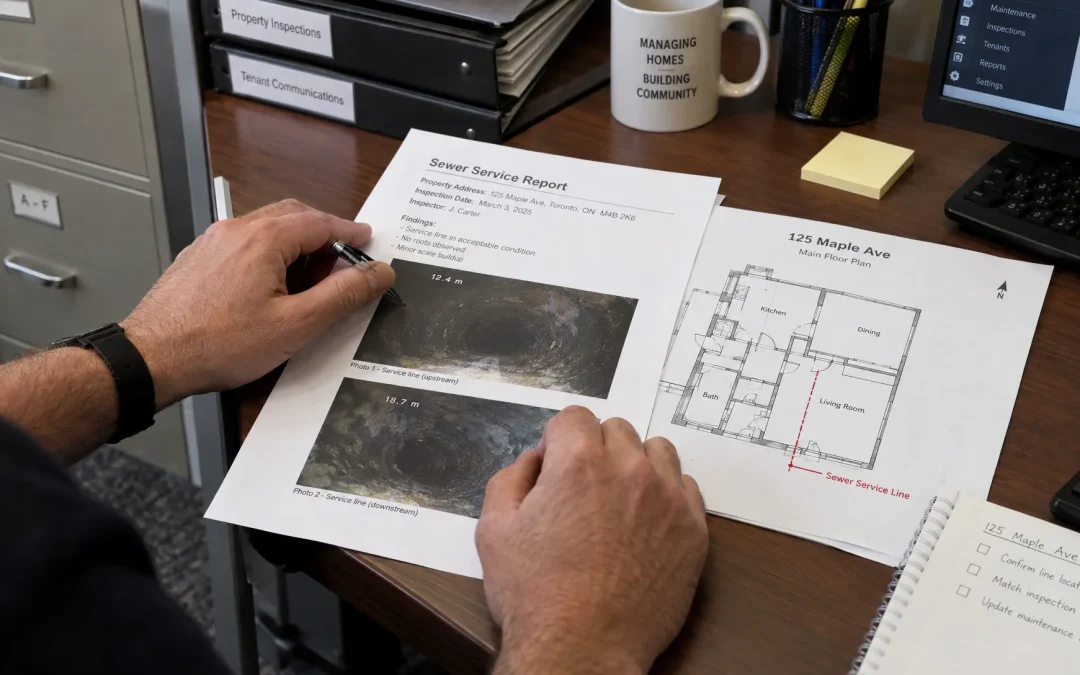
For Kingston landlords, main sewer line cleaning records turn a service call into a useful maintenance plan. Without the location, cleaning method and camera findings, the next contractor may be starting from scratch, and your team may schedule work that does not address the cause.
An invoice confirms that work was billed. A proper service history explains which line blocked, what was found, what was cleared and what still needs attention. That distinction matters when you manage several units or take over a building with incomplete records.
This checklist applies to rental properties connected to a municipal sewer. It focuses on documentation that helps you plan access, track recurring problems and make informed maintenance decisions.
The main sewer line cleaning records worth keeping
Create one building-level file, with separate entries for each service visit. Keep it somewhere the owner and authorised property-management staff can access, rather than in a former employee’s inbox.
| Record | What it should identify | Why it helps |
|---|---|---|
| Service date and location | Building address, affected units and exact line serviced | Separates unrelated drainage problems |
| Reported symptoms | Where water appeared, which drains were affected and when | Preserves details that may disappear after clearing |
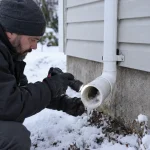
| Access point | The cleanout used, with a location description or photo | Helps the next specialist find safe access |
| Camera findings | Visible deposits, roots, pipe condition and inspection limits | Supports the recommended cleaning method |
| Work performed | Cabling, hydro jetting or descaling, including the extent reached | Shows what the visit actually accomplished |
| Completion checks | Flow observations and any follow-up camera findings | Distinguishes restored drainage from verified cleaning |
| Price documentation | The approved flat-rate quote and final invoice | Makes the authorised scope clear |
| Follow-up plan | Next review date, reason and responsible person | Prevents recommendations from being forgotten |
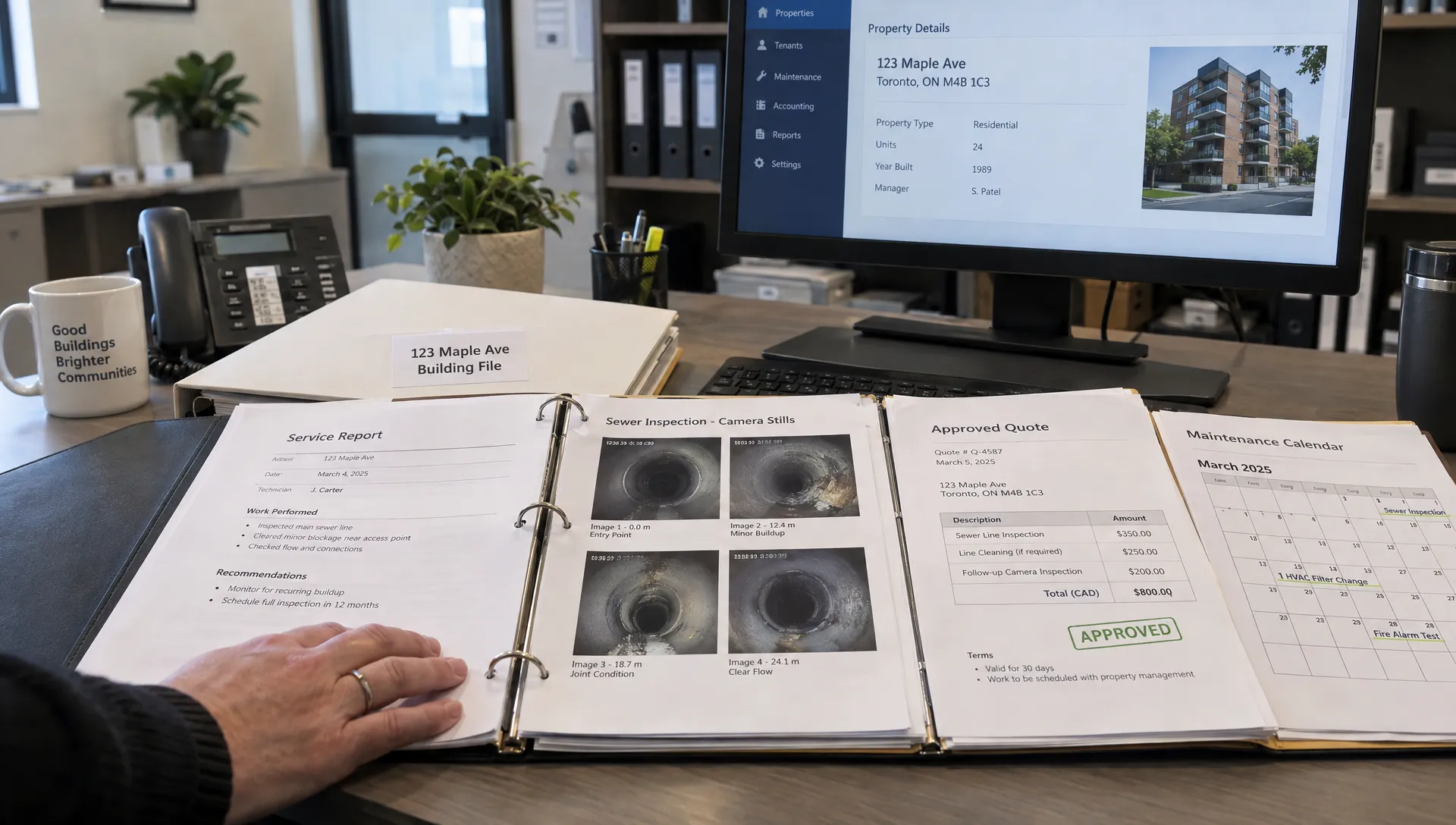
File each main sewer line cleaning report with its matching quote, invoice and available images. A report stored separately from its footage is harder to interpret later.
Ontario’s Residential Tenancies Act requires landlords to maintain rental properties in a good state of repair. This checklist is a practical maintenance tool, not a claim that the law requires a particular sewer-service form.
Make the report explain the method, not just “drain cleared”
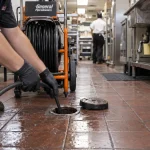
Different cleaning methods accomplish different things. Cabling uses a rotating cable and cutting head to open an obstruction. Hydro jetting uses high-pressure water to remove deposits from pipe walls. Descaling removes hard buildup attached to the inside of pipes, such as older cast iron drains.
For an older Kingston rental with cast iron drains, “line cleared” does not tell the next specialist whether hard scale remains. The report should identify the method used, the material encountered and any limits on the work.
Does a cleared line mean the pipe is fully clean?
No. Cabling can restore flow through an obstruction without removing deposits around the full inside of the pipe. A line with remaining grease, roots or scale may drain again but still need a different cleaning method.
A main sewer line cleaning record should therefore distinguish flow restored from deposits removed, with camera findings supporting the description. Neither phrase means the pipe has been repaired or that future blockages are impossible.
Record why a more thorough cleaning assessment was recommended. Relevant history includes a line longer than 25 feet with several bends, no professional cleaning for 10 or more years, or a second or third blockage within two to three years. These are reasons to assess whether cabling is enough, not automatic instructions to jet every pipe.
For drain cleaning Kingston landlords can schedule around tenant access, call TAP TECH at (613) 328-6600 to discuss planned maintenance. The flat-rate price is quoted before work begins, and after-hours maintenance can be arranged around building operations.
Keep camera evidence tied to a precise location
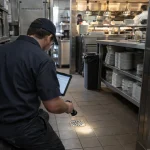
A sewer camera inspection uses a camera inside the drain to show visible pipe conditions. TAP TECH camera-inspects before recommending a cleaning method and before jetting, so the decision is based on the building’s own line.
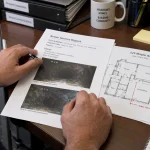
Ask what footage, still images or written findings are available, then record what you received. Label files with the property, date and access point. If a report refers to a distance along the pipe, it should identify where that measurement starts. “Roots at 30 feet” is less useful without that reference point.
Keep main sewer line cleaning footage with notes explaining visibility limits. Standing water or a blockage can hide part of the pipe. An unseen section should not be recorded as sound simply because no defect was visible elsewhere.
If the inspection suggests a belly, meaning a low section where water collects, or a displaced joint, keep that finding separate from removable buildup. Cleaning cannot correct the pipe’s position. TAP TECH clears and inspects drains and sewers; pipe repair or replacement is referred to an appropriate specialist.
Turn the service history into a maintenance decision
A useful file changes what happens next. It should help your team avoid treating every complaint as a new, unrelated event.
- Log the complaint consistently. Record the date, affected fixtures and whether other units reported trouble. Keep observations separate from assumptions about the cause.
- Match the visit to the correct line. Use the access-point description and inspection notes to confirm whether successive reports concern the same shared drain.
- Compare findings across visits. Note whether roots, grease or scale returned, whether the previous cleaning reached the affected section and whether visibility improved after clearing.
- Assign the next action. Record who will arrange access, when the line should be reviewed and whether the next step is cleaning, further inspection or a referral.
Review the main sewer line cleaning history before setting a recurring schedule. A line with repeated root intrusion needs a different plan from one cleared of an isolated obstruction. There is no single cleaning interval that suits every building.
For portfolios across Kingston, Gananoque, Napanee and the 401 corridor, use the same report fields at every property. Consistent records make it easier to spot repeat work without confusing one building’s conditions with another’s.
The same approach supports reducing repeat drain complaints across managed buildings: connect tenant reports to the actual line, then use inspection findings to plan the next visit.
Questions landlords ask about sewer-service records
Is an invoice enough? Usually not for maintenance planning. An invoice may identify the service and price without describing the blockage, inspection limits or remaining deposits. Keep the service findings alongside it.
How long should we retain the records? Keep a continuing building history so future managers can understand earlier findings. Confirm any specific retention requirements with your insurer, accountant or legal adviser rather than assuming one period applies to every document.
Should we clean every building annually? Set the interval from pipe condition, use and previous blockages. Your main sewer line cleaning history should explain why a particular schedule was chosen and when it should be reviewed.
Can we record tenant misuse as the cause? Record observed material and the specialist’s findings, not an unsupported conclusion. Material found in a shared drain does not by itself establish which unit it came from. Avoid unnecessary tenant details in the building’s maintenance file.
Plan the next visit from evidence
The strongest service file answers four questions: which line was affected, what caused the restriction, what the cleaning achieved and what happens next. Keep those answers attached to the approved scope and available camera evidence.
To arrange planned main-line cleaning, call TAP TECH at (613) 328-6600. We camera-inspect before recommending, explain the appropriate cleaning method and quote a fixed price before work begins. Same-day service is available Monday to Friday.
TAP TECH provides camera-informed main sewer line cleaning in Kingston, helping landlords base maintenance decisions on documented pipe conditions.