When roots return after a sewer line has been cleared, drain cleaning and camera inspection can help explain why the blockage came back. For homeowners in Reddendale, the useful question is not simply whether water flows again, but what remains inside the pipe.
A line may drain normally while root strands remain at a joint. Those strands can catch waste and grow into another obstruction. This guide explains how a drain and sewer specialist assesses recurring roots in Kingston, chooses a suitable cleaning method and plans follow-up without promising that clearing will stop roots permanently.
Why roots return after a sewer line is cleared
Tree roots usually enter through an existing opening, such as a separated joint or crack. Fine roots can grow toward moisture, then spread inside the sewer pipe. Root intrusion means roots have entered the pipe, not merely that a tree grows nearby.
Clearing removes an obstruction inside the line. It does not seal the opening that allowed roots in. That distinction matters when a Reddendale homeowner has had the same sewer cleared several times.
A cable may open enough space for wastewater to pass while leaving roots around the pipe wall. Root cutting can remove more of that growth, but the entry point can remain. Our explanation of what root cutting does for a blocked sewer line covers that difference.
Does a flowing sewer line mean the roots are gone?
No. Water can flow through a partly cleared opening while roots remain around its edges. Drain cleaning and camera inspection help distinguish restored flow from a more thoroughly cleared pipe, although hidden or submerged areas may still need further assessment.
How quickly symptoms return is useful information, but it does not prove the cause. Another blockage could involve leftover roots, new growth or a separate restriction farther along the line.
What to check before choosing another clearing
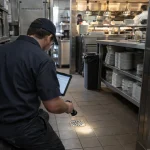
A sewer camera inspection uses a small camera inside the drain to show accessible pipe surfaces and obstructions. TAP TECH camera-inspects before recommending a cleaning method, and every jetting job includes a camera assessment before jetting begins.
For homeowners in Henderson, the same evidence-based approach applies: assess the actual line rather than assume every recurring blockage needs the same treatment.
A practical walkthrough for recurring roots
- Gather the clearing history. Note when the line was last cleared, how it was treated and how long normal drainage lasted. Include any previous camera findings.
- Describe the affected fixtures. Record whether one drain slows down or several fixtures react together. Multiple affected fixtures can point toward a shared drain or the main sewer line.
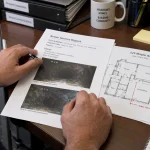
- Review what the camera can see. Ask where roots appear, whether they surround a joint and whether waste is collecting behind them. These observations help guide the clearing method.
- Separate findings from unknowns. Ask which areas were visible and which were obscured. A hidden joint should not be described as sound or damaged without enough evidence.
With drain cleaning and camera inspection, the recommendation should follow the visible condition, not just the fact that a cable went through.
Standing wastewater, dense roots or debris can block the camera’s view. Limited clearing may be needed to improve visibility before a fuller assessment. That is not a reason to guess at pipe condition or proceed with unsuitable jetting.
TAP TECH’s sewer camera inspection service helps homeowners see the condition of their own pipe. For recurring symptoms, this explanation of why repeat sewer clogs need a camera before cleaning provides more context.
Choosing cabling, root cutting or jetting
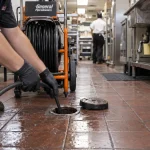
Cabling, often called snaking, uses a rotating cable and attachment to work through an obstruction. Hydro jetting uses a specialised nozzle and pressurised water to clean the pipe interior. Root cutting uses an attachment suited to removing root growth.
These methods have different purposes. Choosing one depends on the obstruction, access and pipe condition.
| Method or next step | What it can accomplish | What it does not establish |
|---|---|---|
| Cabling | Open a path through an obstruction and restore flow | That the full pipe opening has been recovered |
| Root cutting | Remove root growth with a suitable cutting attachment | That the root entry point has been sealed |
| Hydro jetting | Clean suitable lines and flush loosened material | That a damaged pipe has been repaired |
| Referral for structural assessment | Address concerns beyond cleaning | That TAP TECH performs pipe repair or replacement |
A longer line with several bends deserves particular attention. So does a line that has not been professionally cleaned in ten or more years, or has blocked for the second or third time within two to three years. A run longer than 25 feet with multiple direction changes is another reason to assess whether jetting is better suited than another cable clearing.
These are reasons to assess, not automatic instructions to jet. Drain cleaning and camera inspection should establish whether the pipe can be cleaned safely and which method fits the findings. Hard deposits attached to the pipe wall, called scale, may require separate descaling rather than ordinary clearing.
If roots keep returning, TAP TECH can assess your main-line cleaning needs in Kingston. Call (613) 328-6600. The flat-rate price is quoted before work begins, including jetting or descaling when recommended. Same-day service is available Monday to Friday.

Plan maintenance around the line’s regrowth pattern
There is no single cleaning interval that suits every root-affected sewer. A Reddendale line that develops symptoms within months needs a different plan from one that remains clear for years.
The aim is to use the cleaning history and camera findings to schedule maintenance before another backup, then adjust as the evidence changes.
Build a useful record after each visit
- Record the observed root locations. Note the affected sections and any limits to visibility. Keep previous footage if it is available.
- Record the cleaning method. Distinguish a cable clearing from root cutting, jetting or descaling. “The drain was cleared” leaves out useful detail.
- Track returning symptoms. Note when slow drainage, gurgling or backups reappear. Do not deliberately run extra water to test a line that may be blocked.
- Review the next interval. Use the actual findings and time between problems to decide when another assessment or maintenance cleaning makes sense.
Pairing drain cleaning and camera inspection with this record makes follow-up more useful. It also helps identify when repeated clearing is managing symptoms without addressing a structural concern.
The same approach helps homeowners in Bayridge avoid treating each visit as an unrelated clog. Ask what changed from the previous assessment and what the next cleaning is expected to accomplish.
If the camera reveals a suspected broken section, significant joint movement or another structural defect, cleaning may not be the right next step. TAP TECH clears and inspects drains and sewers; pipe repair or replacement is referred to an appropriate specialist.
Frequently asked questions about root regrowth
Should every recurring blockage be treated as roots? No. Grease, scale and other restrictions can also cause repeat blockages. A camera assessment helps distinguish the cause rather than relying on symptoms alone.
Will cutting roots stop them returning to my Reddendale sewer? Not necessarily. Cutting removes growth inside the pipe, but roots may return through an opening that remains. Follow-up depends on the pipe condition and observed regrowth.
Do I need to remove a nearby tree? A nearby tree alone does not establish which roots entered the sewer. Do not make a tree-removal decision solely because the drain has backed up.
What if wastewater is backing up right now? Stop using connected fixtures and keep people and pets away from sewage. TAP TECH provides 24/7 emergency service for sewage backups, flooding and completely blocked main lines.
Arrange an assessment before the next blockage
If the same line keeps blocking, contact TAP TECH’s Drain Cleaning Kingston service or call (613) 328-6600. Drains, sewers and sump pumps are all we do. You receive a flat-rate price before work begins, with same-day routine service Monday to Friday.
TAP TECH provides drain cleaning and camera inspection for municipal sewer-connected properties in Kingston, Gananoque, Napanee and the 401 corridor, using pipe condition to guide clearing, maintenance or referral.