Sand left behind after a waterfront outing can turn a quick rinse into a slow-draining bath. For Gananoque homeowners, bathtub drain cleaning starts with removing loose grit, not washing more of it down the drain.
Sand behaves differently from hair or soap residue. It does not dissolve in ordinary household cleaners, and repeated flushing can move it farther into the drainage system. The same guidance applies to homeowners in Williamsville dealing with sandy footwear, beach toys or towels. This guide covers safe surface cleaning and the signs that a drain specialist should assess the connected line.
Why sand makes a bathtub drain slow
Sand is heavier than water. Some grains travel through a drain, but others can settle in the trap, the curved section beneath the tub that holds water to block sewer gases. Sediment can also collect along flatter sections of connected pipe.
Hair and sticky soap residue make that accumulation worse by catching grains that might otherwise move along. A tub that already drains slowly is particularly vulnerable because the water may not carry the sediment away effectively.
Does sand dissolve in a bathtub drain?
No, ordinary household cleaning products do not dissolve sand. Baking soda and vinegar may fizz, but they do not remove a settled layer of grit. The useful approach is to collect accessible sand and assess any blockage farther inside the drain.
Grit in the tub does not prove that sand is the only cause. A hair obstruction or existing buildup may explain why the water has slowed.
Safe bathtub drain cleaning: what to do first
These steps are for a slow tub with visible sand, not sewage backing up into the bath. If water rises in the tub when another fixture runs, stop using water and arrange a drain assessment.
- Stop adding water. Let any standing water drain if it can. Do not keep running the tap to force the sand through.
- Collect loose grit. Wearing gloves, scoop or wipe sand from the tub with paper towels or a damp cloth. Put the collected material in the rubbish rather than rinsing it into another drain.
- Clean the accessible drain opening. If a loose hair catcher lifts out without tools, remove it and wipe away trapped hair and grit. Leave attached stoppers and fittings alone if accessing them would require dismantling.
- Check for drainage with a small amount of water. Once visible grit is gone, run a brief flow of warm tap water. Stop if water begins pooling. Do not fill the tub as a test.
- Record what happens. Note whether the tub remains slow, whether another fixture gurgles and whether using another drain makes the tub water rise. Those observations help locate the problem.
Avoid boiling water, chemical drain openers and improvised tools pushed into the opening. None reliably removes settled sand, and they can introduce hazards or damage components. If chemicals have already been used, tell the technician before any work begins. Our precautions for heritage-home bathtub drains explain why force is especially risky around older fixtures.
If these steps do not restore drainage, TAP TECH can handle professional bathtub drain cleaning. Book online or call (613) 328-6600. The flat-rate price is quoted before work begins, with same-day service Monday to Friday.
When the connected line needs closer attention
A tub that stays slow after surface grit is removed may have sediment beyond reach, a hair obstruction or buildup along the connected pipe. In a Gananoque home with repeated blockages, the question is not simply how to reopen the drain. It is why the obstruction keeps returning.
Watch for changes elsewhere in the house. Several slow fixtures, gurgling or water entering the tub when a toilet flushes point toward a shared drainage problem rather than sand at the tub opening. The same warning signs matter for homeowners in Kingscourt.
Sewage entering the tub is not a routine cleaning issue. Stop using water and keep people and pets away from the affected area. TAP TECH provides 24/7 emergency service for backups, flooding and completely blocked main lines.
Cabling, jetting and descaling do different jobs
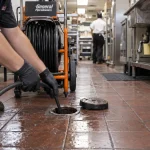
Cabling, often called snaking, uses a flexible mechanical cable to clear an obstruction. It can restore flow through a clog, but an opening through accumulated material does not mean the pipe is fully clean.
Hydro jetting uses controlled high-pressure water to clean deposits from suitable drain lines. Descaling removes hardened buildup from pipe walls, commonly in older metal drains. Sand deposited inside a pipe is not the same as scale attached to it.
| Method | Main purpose | Important limitation |
|---|---|---|
| Cabling | Clear or retrieve an obstruction | May leave sediment or wall buildup behind |
| Hydro jetting | Clean deposits from a suitable line | Requires an assessment of pipe condition and access |
| Descaling | Remove hardened deposits from pipe walls | Is not a substitute for assessing damaged piping |
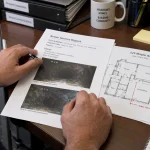
For recurring bathtub drain cleaning, TAP TECH camera-inspects before recommending a cleaning method and always before jetting. A drain camera shows the inside of accessible pipe, helping distinguish sediment from scale or other restrictions. Small tub bends can limit camera access, so the specialist explains what can and cannot be seen.
A line longer than 25 feet with several direction changes, no professional cleaning for 10 or more years or a second or third blockage within two to three years deserves closer assessment rather than another automatic cable pass. These conditions do not mean every line needs jetting. They mean the method should match the findings.
Jetting and descaling are quoted at a fixed price before work begins. If inspection identifies damage that needs repair, TAP TECH refers that work to an appropriate specialist.

Keep sand out instead of flushing it through
For Gananoque households returning from the waterfront, prevention begins before anyone steps into the bath. Remove dry sand from footwear, toys and clothing first. Keep it out of household drains rather than transferring it from the tub to a sink.
Useful items to keep nearby include:
- A brush for removing dry sand from footwear and beach gear.
- A cloth or paper towels for collecting grit from the tub.
- A removable hair catcher suited to the existing drain opening.
A hair catcher helps, but fine grains can still pass through it. Empty it into the rubbish and wipe the tub before rinsing. Do not treat a screen as permission to wash large amounts of sand down the drain.
The same habits suit households in Sunnyside, particularly when an older drain already runs slowly. If blockages recur despite careful use, our guide to drain-cleaning intervals for older homes explains why maintenance should follow pipe condition and blockage history, not an arbitrary calendar.
Preventive bathtub drain cleaning should address an established pattern, not compensate for repeatedly sending sand into the line. Once the cause is understood, a specialist can explain whether occasional clearing or planned maintenance makes sense.
Frequently asked questions
Can I wash a small amount of sand down the tub drain? A few stray grains may pass through, but collect visible sand whenever possible. Repeated small deposits can accumulate, particularly where hair and soap residue are already present.
Will a drain snake remove all the sand? Not necessarily. A cable may open a path through an obstruction without removing the surrounding sediment. The right clearing method depends on where material has collected and the condition of the pipe.
Does a slow bathtub mean the sewer is blocked? Not by itself. One slow tub often points to a local restriction. Several slow fixtures or water backing into the tub when another fixture runs need a broader assessment.
When should I arrange professional bathtub drain cleaning? Arrange service when removing accessible grit does not restore drainage, the slowdown returns or other fixtures are affected. Seek emergency help if sewage is backing up or flooding is occurring.
Drain Cleaning Kingston: help along the 401 corridor
Collecting visible sand is a safe first step. Repeated flushing is not. If the tub stays slow or the problem returns, TAP TECH can assess the cause through camera-led drain diagnosis. Book online or call (613) 328-6600. Routine service is available the same day, Monday to Friday, with flat-rate pricing quoted before work begins.
Drains, sewers and sump pumps are all we do, with the specialist equipment plumbers call us for when they do not carry it themselves.
TAP TECH provides drain cleaning and camera-led diagnosis in Gananoque, with a fixed price quoted before work begins.