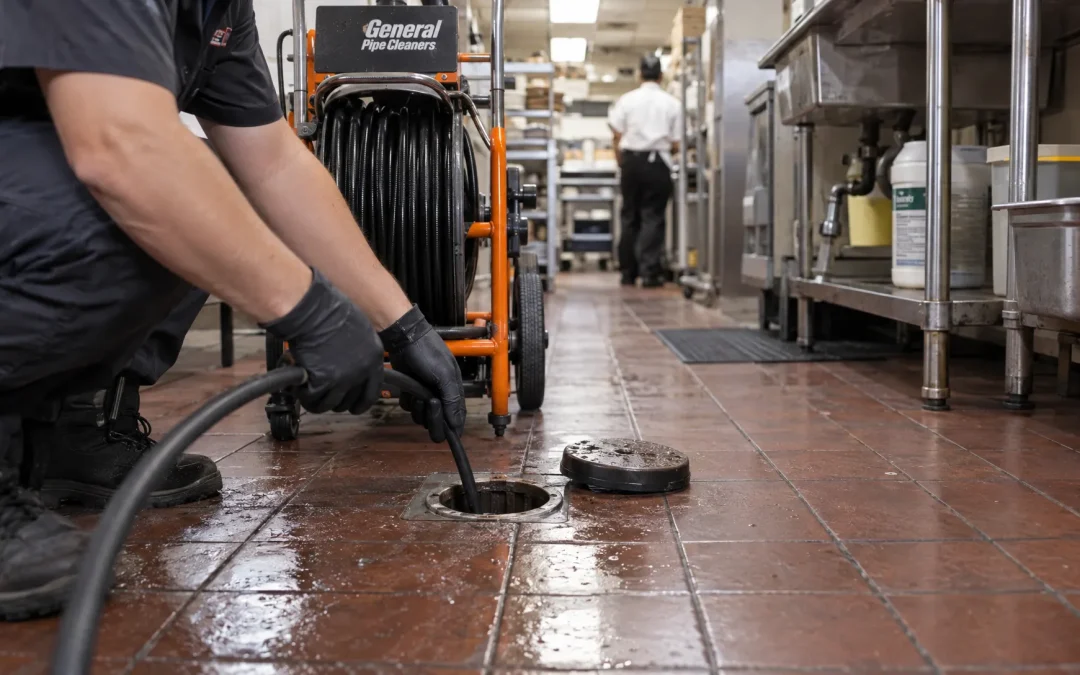
For restaurant operators in Kingston, jetting drain lines deserves a fresh look when a new menu changes what reaches the kitchen drains. More frying, roasting or scratch baking can change the amount of fat and food residue staff handle, even when customer numbers stay steady.
That does not mean every menu launch needs a cleaning appointment. It means the old maintenance schedule may no longer match the kitchen’s work. Review the waste-handling routine, watch drainage during busy shifts and assess the pipe before deciding whether cleaning is needed.
How a menu change affects kitchen drains
A drain schedule reflects yesterday’s operation. Adding fried food, slow-cooked meats or fresh dough can change both the waste produced and the way staff wash equipment.
The problem is not just what goes down a sink during cooking. Closing-time cleanup can send a concentrated load of grease and food residue through the same line. Grease can collect on pipe walls as wastewater cools, leaving a surface that catches more material.
| Menu or workflow change | What to review | Practical prevention |
|---|---|---|
| More fried or roasted dishes | Oil disposal and greasy equipment cleanup | Collect oil separately and scrape equipment before washing |
| More baking or dough preparation | Flour, dough and sticky residue entering sinks | Remove solids before wet cleaning |
| More soups, sauces or braised dishes | Disposal of cooking liquids containing fat | Separate fats and food waste from wash water |
| Longer service hours | More washing through the same drain each day | Reassess the maintenance interval against actual use |
These are reasons to review the process, not proof of a blockage. A kitchen in Gananoque adding a fryer may need better waste capture rather than immediate cleaning.
Hot water and detergent do not make grease suitable for drain disposal. They may carry it farther before it collects downstream.
When jetting drain lines is the right response
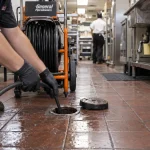
Hydro jetting uses a specialised hose and nozzle to direct high-pressure water through a drain, loosening deposits and flushing debris along the line. It is different from cabling, which uses a rotating cable to break through an obstruction.
Cabling can reopen a passage without removing the coating around it. Where grease covers a substantial length of pipe, jetting drain lines may provide more thorough cleaning than repeatedly opening a narrow path.
Does a new menu automatically mean the drains need jetting?
No. A menu change is a reason to reassess waste handling and drain performance, not an automatic reason to clean the line. The decision should reflect the pipe’s condition, blockage history and the material collecting inside it.
TAP TECH camera-inspects before recommending a method and before every jetting job. A sewer camera is a small inspection camera that travels inside the pipe, allowing the operator to see deposits and visible defects rather than guess from a slow sink.
A second or third blockage on the same line within two to three years is a reason to question whether cabling is enough. Hard scale, a crust attached to the pipe wall, may need descaling rather than jetting alone. A belly, or low section holding water, cannot be corrected by cleaning. Pipe defects needing repair are referred to an appropriate specialist; TAP TECH cleans and clears lines, not repairs them.
If the new menu has exposed recurring drainage problems, discuss camera inspection before grease line jetting with TAP TECH at (613) 328-6600. The job is quoted at a fixed price before work begins, so there is no hourly meter running while the cause is assessed.
Plan commercial drain cleaning around service
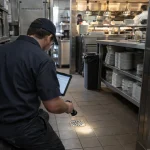
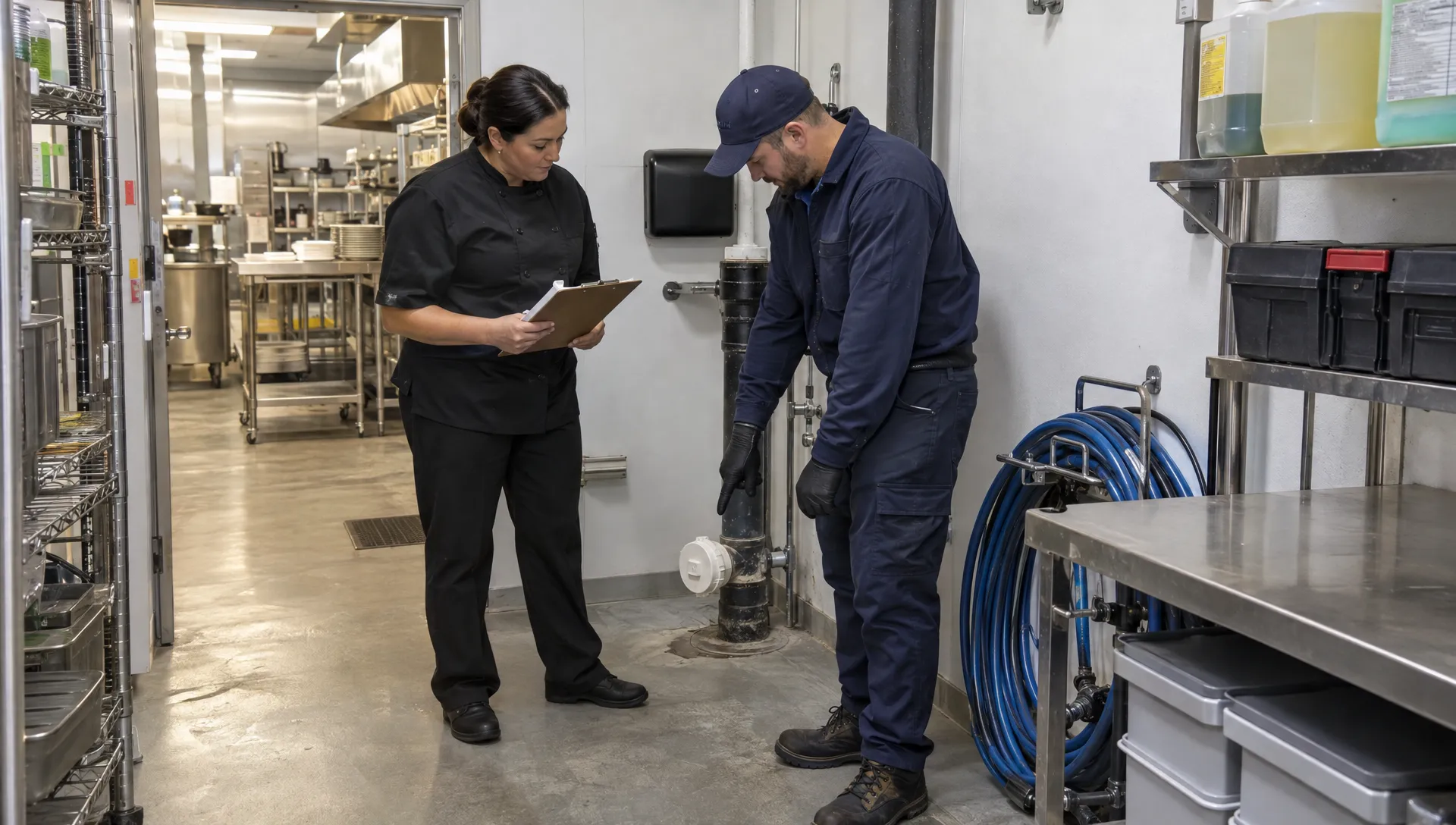
For commercial drain cleaning in Kingston, a useful appointment starts with operational details, not simply an available time slot. The technician needs access, while the kitchen needs a clear plan for prep, washing and reopening.
Use this walkthrough before booking jetting drain lines around a menu launch:
- Record what changed. Note new cooking methods, longer opening hours, added covers and equipment-washing routines. Separate increased sales volume from a change in the type of waste produced.
- Log drainage symptoms. Record which drains slow down, when it happens and whether nearby fixtures are affected. Compare a quiet prep period with the end of a busy service.
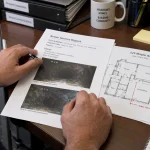
- Gather the cleaning history. Find the last professional cleaning date, previous blockage locations and any available inspection findings. Tell the technician about drain chemicals already used.
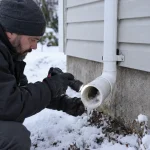
- Confirm access and a work window. Identify accessible cleanouts, which are capped openings used to reach the drain. Arrange access with the landlord or building manager where needed, without moving fixed equipment yourself.
- Agree on scope before work starts. Confirm which line is being assessed, the proposed cleaning method and the flat-rate price. Coordinate any pause in connected sink or dishwasher use with the technician.
Protect the prep and reopening window
TAP TECH offers after-hours scheduling for commercial maintenance so work can be planned outside a service period. Confirm the window in advance rather than assuming every line can be cleaned between lunch and dinner.
Leave time for your own kitchen cleaning and reopening checks. Our guide to how commercial hydro jetting keeps kitchens running explains the broader role of planned cleaning in daily operations.
Set the next interval from evidence
The first cleaning after a menu change should inform the next decision. Do not automatically carry forward the old interval or shorten it without a reason.
Ask what the camera showed, where deposits were concentrated and whether the condition suggests a waste-handling issue, accumulated buildup or a pipe limitation. Keep those findings with the date and the kitchen’s operating pattern.
After jetting drain lines, track drainage over representative busy shifts. If symptoms return quickly, report that change rather than booking the same treatment without another assessment. Cleaning cannot correct every cause of poor flow.
For an older Kingston restaurant, years of mixed use may matter more than the latest menu addition. In a newer operation, increased washing volume or poor food-waste capture may be the more useful starting point. Let the observed condition guide the plan.
TAP TECH schedules recurring cleaning at an interval matched to the line. The guide to scheduled restaurant grease line jetting covers how that ongoing plan differs from repeated reactive clearing.
Staff practice still matters between visits. Scrape plates and cookware, capture solids and keep cooking oil out of sinks. Professional cleaning supports those habits; it does not replace them.
Frequently asked questions
Should we clean the drains before launching the new menu? Consider an assessment if drainage is already slow, blockages have repeated or the cleaning history is unknown. A well-performing line with a known maintenance history may not need immediate cleaning just because dishes change.
Can kitchen staff jet the line themselves? Commercial hydro jetting is not a staff maintenance task. High-pressure equipment can cause serious injury, and unsuitable pressure or nozzle selection can damage vulnerable piping. Staff can document symptoms and improve waste capture without opening or jetting the line.
How often should a restaurant schedule jetting drain lines? There is no single interval for every kitchen. Base it on camera findings, grease accumulation, operating hours and the time between previous drainage problems. Review it again when the menu or service volume changes substantially.
Make the menu launch part of the maintenance plan
A new menu should prompt a drain review, not an automatic cleaning order. Match the response to what is actually inside the pipe, then plan access and timing around the kitchen’s work.
Talk to TAP TECH about restaurant drain jetting and scheduled grease line clearing at (613) 328-6600. Drains, sewers and sump pumps are all we do. Every job has a flat-rate price quoted before work begins.
TAP TECH provides camera-informed commercial drain cleaning and grease line jetting in Kingston, Gananoque, Napanee and the 401 corridor.