If you live in Kingscourt (near the Memorial Centre, along Division Street, or tucked into the older side streets off Princess), you already know the charm of these homes comes with a trade-off: older plumbing. What many homeowners do not realize is how much “problem water” can accelerate wear in aging pipes, valves, fixtures, and hot water equipment.
The good news is that the right water treatment does more than improve taste and shower comfort. Done properly, it can reduce scale buildup, support more stable plumbing performance, and help older systems age more gracefully.
Why Kingscourt plumbing tends to be more sensitive to water issues
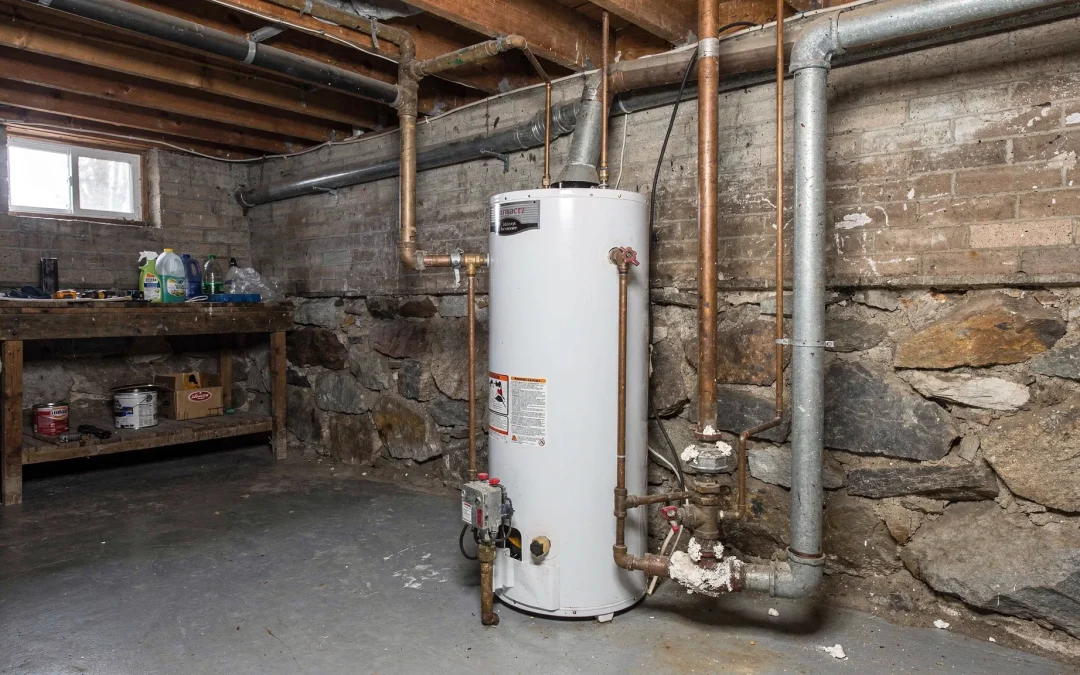
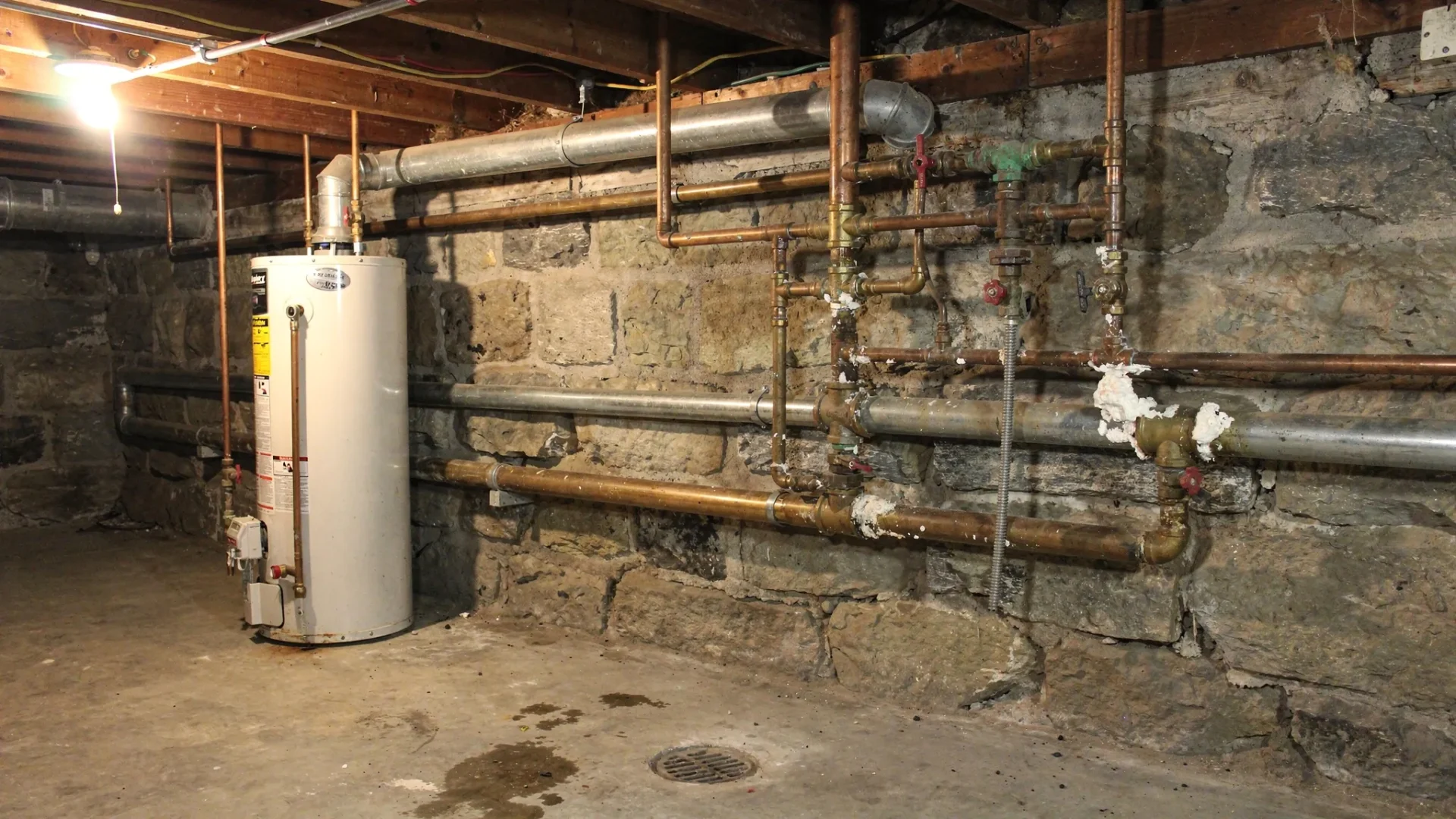
Many Kingscourt homes were built or renovated in eras when plumbing materials and standards were different. Depending on the house (and the renos over the years), you might find:
- Older copper piping (sometimes with older solder joints)
- Galvanized steel sections (more common in older supply lines, known for internal buildup over time)
- Cast iron drain piping (can last a long time, but internal scaling and roughness can increase snagging and buildup)
- A mix of old and new materials after partial upgrades
On its own, “old plumbing” is not automatically a problem. The trouble starts when water chemistry and minerals add stress:
- Hardness minerals (calcium and magnesium) can form scale, especially in hot water lines.
- Chlorine (normal for municipal disinfection) can affect taste and odour, and some homeowners notice it more in certain seasons.
- Tiny bits of sediment can collect in aerators, cartridges, and appliance valves.
If your plumbing already has decades of service behind it, reducing these stressors can make a noticeable difference.
The Kingscourt pattern: “It’s not a leak yet, but something feels off”
A lot of Kingscourt homeowners call us before a true emergency because they start noticing friction in everyday water use, such as:
- Spots on dishes and glassware that seem to come back immediately
- White crusty buildup on faucets and showerheads
- Dry, tight skin after showers
- “Stiff” laundry and towels
- Declining flow at certain taps (often clogged aerators or cartridges)
- More frequent service calls for water heater issues or “noisy” hot water systems
Those symptoms do not always mean you need new pipes. Often, they are signs you need to treat the water feeding the system.
How water treatment helps older plumbing, in practical terms
Water treatment is not a magic wand that repairs failing pipe, but it can meaningfully improve conditions that cause premature wear.
1) Scale control that protects hot water lines and fixtures
In Kingston, hardness is a common driver of scale. Scale is more than a cosmetic issue:
- It can narrow internal pipe diameter over time.
- It can reduce efficiency in hot water tanks by insulating heat transfer surfaces.
- It can shorten the life of cartridges, mixing valves, and showerheads by coating internal parts.
A properly selected point-of-entry system can help manage scale so your older plumbing is not constantly “fighting” mineral deposits.
2) Better taste and less chlorine odour, at every tap
Kingscourt homeowners on municipal water are usually looking for a clean, consistent experience:
- Better drinking water taste
- Less chlorine smell in showers
- Less “pool-like” odour when you run hot water
This is one reason TapTech typically prioritizes HALO Water Systems for city water in Kingston, because whole-home filtration targets the day-to-day experience of municipal water across the entire house.
If you have ever wondered why the chlorine smell can be stronger at certain times of year, this explainer is helpful: Kingston tap water chlorine: why you smell it in winter.
3) Less grime and buildup inside aerators and faucet cartridges
Older homes often have older fixtures, or at least older plumbing feeding newer fixtures. When fine sediment and scale flakes move through the system, they tend to get trapped at the “small openings”:
- Faucet aerators
- Showerheads
- Toilet fill valves
- Appliance inlet screens
Whole-home filtration (paired with correct sizing) can reduce these nuisance clogs and the “why does this tap keep losing pressure?” cycle.
4) Cleaner drinking water with reverse osmosis (RO) where it matters most
For many Kingscourt families, the biggest win is a combination approach:
- Whole-home filtration for showering, laundry, and general household use
- Under-sink reverse osmosis for truly high-quality drinking and cooking water
If you are deciding between these approaches, this guide breaks it down clearly: Whole-home filtration vs under-sink RO: which to choose?.
A quick “symptom to solution” guide for Kingscourt homes
Here is a simple way to connect what you are seeing in your house to the most likely next step.
| What you notice in Kingscourt | Common plumbing impact in older homes | Water treatment that often helps | Important note |
|---|---|---|---|
| White scale on taps, shower glass, kettle | Scale buildup in fixtures and hot water equipment | Whole-home scale management (often HALO on city water) and/or softening depending on goals | Treatment reduces new buildup, existing scale may still need cleaning |
| Dry skin, itchy scalp, dull laundry | Minerals and disinfectant residual can affect “feel” | Whole-home filtration plus scale management | Comfort improves, but skin conditions can also have non-water causes |
| Chlorine taste or odour | Disinfectant residual is normal in municipal systems | Whole-home carbon filtration (HALO) and/or RO for drinking | If odour is sudden and extreme, rule out plumbing issues |
| Frequent aerator clogging, inconsistent flow | Sediment or scale flakes collect at small openings | Whole-home filtration, correct prefiltration where needed | Old galvanized sections can shed debris and may need plumbing remediation |
| You want “bottled-water quality” at the kitchen sink | Aesthetic and dissolved solids concerns | Under-sink RO (often paired with whole-home filtration upstream) | RO needs ongoing filter changes and periodic checks |
Kingscourt-specific caution: water treatment is not a substitute for plumbing safety
It is tempting to treat water problems and hope it solves everything. In an older neighbourhood, it is smarter to do both:
- Treat the water to reduce ongoing stress.
- Assess the plumbing so you are not hiding an actual failure risk.
For example, if you suspect your home has older components that could affect drinking water safety, it is worth understanding current guidance. Health Canada maintains guidance on lead in drinking water and risk reduction steps: Lead in drinking water (Health Canada).
(We are not saying your Kingscourt home has lead, but older housing stock makes it a reasonable question to ask during a water assessment.)
City water in Kingscourt vs well water outside Kingston
Kingscourt is typically on city water, which is why HALO is often the first conversation.
If you also own a rural property, cottage, or acreage outside the city, the playbook changes. In nearby hubs like Napanee or Gananoque, you are more likely to run into aggressive well water issues such as:
- Iron staining
- Sulphur odours
- Heavy hardness
In those cases, TapTech typically recommends Novo Water Conditioning because it is built to handle tougher well-water conditions.
How to choose the right setup (without overbuying)
The most expensive mistake we see is buying equipment before the water is tested and the home is assessed. In Kingscourt, where plumbing is often a mix of old and new, we like a simple decision process:
- Start with a water test that matches your concerns (taste, scale, odour, staining).
- Confirm whether your home is 100 percent municipal or has any unusual supply setup.
- Identify if your main priority is whole-home comfort (showers, laundry, fixtures) or drinking water quality, or both.
- Make sure the system is sized for the home, not just for a generic household.
If you want to understand what testing methods are actually useful (and which are often misleading), this article is a solid reference: Water testing at home vs pro testing: what’s accurate?.
A neighbourly note on “investment thinking”
A good water treatment decision is a lot like any major investment decision: you want clear inputs, local expertise, and no guesswork. That same due-diligence mindset applies whether you are improving a Kingscourt home or exploring something entirely different like investing in Dubai through a guided, end-to-end process.
What results to expect (and what not to expect)
Setting expectations is part of doing this right.
Results many Kingscourt homeowners notice quickly
- Better taste and smell from taps and showers
- Less soap scum and easier cleaning
- A more consistent “feel” to water when showering
- Reduced re-spotting on dishes and fixtures (depending on goals and system selection)
Results that take longer
- Less scale accumulation inside water-using appliances
- Fewer aerator and cartridge clean-outs
- Smoother long-term plumbing operation because you are preventing new buildup
What water treatment will not fix
- A failing pipe section, corroded shutoff valve, or compromised drain line
- Existing heavy internal scaling that already narrowed old galvanized piping
- Sewer or drain issues caused by roots, bellies, or broken lines
If you are dealing with repeated clogs or slow drains in an older home, it can be both water and plumbing. This article explains when drain work might signal a bigger issue: When is drain cleaning a sign of a bigger water or plumbing issue?.
Frequently Asked Questions
Do Kingscourt homes need a water softener, or is filtration enough? It depends on your goals. For many Kingston city-water homes, whole-home filtration plus scale management (often HALO) covers the biggest day-to-day issues. If your priority is true softness (soap lathering, reduced spotting), softening may still be worth considering after testing.
Will water treatment help prevent leaks in older plumbing? It can help reduce scale-related stress on fixtures and hot water components, but it cannot “stop” age-related pipe failure. If you have active corrosion, pinhole leaks, or suspect failing piping, you should also book a plumbing inspection.
Is reverse osmosis (RO) overkill for Kingscourt? Not if you care about top-tier drinking water. Many homeowners do whole-home treatment for comfort and RO for drinking and cooking, especially if taste is the main complaint.
Why do I notice chlorine smell more in winter in Kingscourt? Many homeowners have less ventilation in winter, and hot water releases dissolved gases more readily. Seasonal factors can make normal municipal chlorine residual more noticeable.
If I own a rental in Kingscourt, is water treatment worth it? Often yes, because it can reduce fixture complaints, improve tenant experience, and help protect appliances. The best approach is still to test the water and size the system correctly.
Want a Kingscourt-specific recommendation (based on your actual water and plumbing)?
TapTech helps Kingston homeowners solve problem water with professional water testing, clear recommendations, and clean installations. If you are in Kingscourt (or nearby Williamsville, Inner Harbour, or Portsmouth Village) and want to reduce scale, improve taste, and be kinder to older plumbing, start here:
- Learn what Kingston homeowners should know about softeners: Water softeners in Kingston: what local homeowners actually need to know
- Compare whole-home filtration vs RO: Whole-home filtration vs under-sink RO
When you are ready, visit TapTech to book an assessment and get a tailored plan for your home’s water and plumbing.