
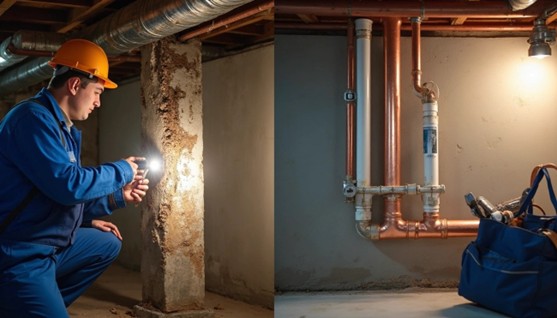
Pipe repair costs can vary dramatically based on your plumbing system’s age and materials. Some pipes might serve you well for 100 years. However, PVC pipes usually last between 25 to 40 years.
Homeowners often struggle with repair versus replacement decisions. A smart choice between fixing a cracked sewer pipe and evaluating drain pipe options can save thousands of dollars. Regular maintenance can extend your plumbing system’s life by more than double. This helps you avoid costly repairs from burst pipes. Small leaks or limited damage might only need simple repairs that are more economical. However, severe problems beyond repair will require complete pipe replacement.
This piece will show you expert ways to save money on plumbing repairs. You’ll learn to make better decisions about your pipes and understand when to handle problems yourself or call professionals. Let’s delve into plumbing economics and protect your home and wallet!
Know the Signs Before It Gets Expensive
Early detection of plumbing problems can save you thousands in emergency pipe repair costs. A small leak today might flood your basement tomorrow, so watch for these warning signs and take action before major expenses hit.
Discolored or rusty water
Brown, yellow, or reddish water from your taps usually points to internal pipe corrosion. Your water supply mixes with rust or metal flakes from deteriorating pipes, which causes this discoloration. The problem becomes most visible when you first turn on the faucet in the morning because small metal flakes settle inside the pipes overnight. Ignoring discolored water lets corrosion spread and can lead to leaks that substantially increase your burst pipe repair costs.
Low water pressure or slow drains
A weak water pressure throughout your home signals a problem you shouldn’t ignore. Your shower might feel weaker than before or sinks take longer to fill because corrosion inside the pipes restricts water flow. Mineral deposits and rust build up along pipe walls and narrow the opening gradually. The water might run normally at first but slows down later, which often means you have clogged galvanized pipes. Quick action on these problems can prevent expensive drain pipe repairs later.
Visible corrosion or pipe damage
You should check exposed pipes that show discoloration, flaking, or a powdery coating right away. Experts say oxidation appears as reddish-brown or bluish-green substances on pipe exteriors and creates a powdery coating. Pipes corroding on the outside likely face the same issue inside. Corrosion weakens pipe walls and makes them leak or rupture easily, which increases your cracked sewer pipe repair costs.
Unusual pipe noises or odours
Dripping sounds or water flowing when fixtures aren’t in use just need immediate investigation. Your pipes might make banging, gurgling, or whistling noises that point to deeper problems. Mould or mildew smells usually mean you have a hidden leak, and a rotten egg odour could signal sewer gas escaping through cracked pipes. Quick repairs help you avoid the substantial costs that come with extensive water damage.
Repair or Replace? How to Decide Smartly
Smart decisions about pipe repairs start with a clear picture of your plumbing system’s condition. Your wallet takes a big hit based on whether you choose to repair or replace the pipes.
Pipe leak repair costs that make sense
Pipe repairs make financial sense if you have isolated issues with pipes that still have good life left in them. Repairs work best when:
- Professional drain cleaning or hydro jetting can fix minor blockages and clogs
- Trenchless repair techniques can patch small cracks or leaks
- Tree root intrusion hasn’t caused major damage yet
Repairs give you better value especially when you have localized damage instead of system-wide problems, or your budget doesn’t allow full replacement right now. Many homeowners find pipe relining a great economical alternative to complete replacement. This method fixes pipes from inside using resin inserted through a polyester or fiberglass tube.
Cracked sewer pipe costs that point to replacement
All the same, you’ll need replacement if your pipes are structurally compromised or keep failing. Here’s what tells you replacement is your best financial choice:
Pipes that have collapsed or show extensive damage beyond repairMultiple failure points that show your whole plumbing system is deterioratingSewer problems that keep coming back despite repairsOngoing issues with outdated materials like clay, cast iron, or lead
Material and age factors in your decision
Your pipes’ material makes a big difference in how they age. Copper pipes last longer than steel, but water chemicals can speed up corrosion. PVC gets more brittle as decades pass, while cast iron faces chemical reactions that keep making it worse.
New pipes usually last 40-100 years depending on what they’re made of. Look at both age and current condition. Older plumbing systems often save you money with a complete overhaul instead of fixing things piece by piece.
The hidden costs of quick fixes
Quick fixes can end up costing you more. Temporary repairs might trap moisture against pipe surfaces and create perfect spots for hidden corrosion. Pipe clamps or sealants might help right now, but they usually fail later.
These band-aid solutions can make you feel safe while you put off replacements that need to happen. The biggest problem is that the underlying issues get worse. What seems like a money-saver today could lead to much higher burst pipe repair costs down the road.
Ways to Cut Down Pipe Repair Costs
Pipe repairs can shock homeowners with unexpected costs, but you can save money with some practical strategies. Here are some approaches that could save you thousands without cutting corners on quality.
Compare drain pipe repair cost vs. full replacement
Looking at costs first helps you pick the best solution for your budget. Simple drain pipe repairs cost between CAD 348.34 and CAD 1741.70, while a full system replacement costs from CAD 20900.40 to CAD 27867.20. Yes, it is cheaper to repair underground pipes than replace them, which can cost tens of thousands of dollars. You should choose sectional point repair for isolated damage instead of full replacement to target specific problem areas.
Use trenchless repair methods when possible
Trenchless methods have altered the map of pipe repairs by cutting down on digging. These techniques can save you 30-40% compared to traditional digging methods. We saved this money by avoiding landscape restoration costs. Pipe lining creates a new pipe inside your existing one at CAD 111.47 to CAD 348.34 per foot and eliminates expensive digging. Pipe bursting offers another option that works well for fully collapsed pipes and takes hours instead of days.
Bundle repairs with home renovations
You can save money by timing pipe repairs with planned renovations. Open walls and floors during renovations make pipes more available and cut labour costs. You might also get package discounts from contractors who handle multiple projects. Make sure to get several quotes for combined projects before finalizing your renovation plans.
Preventive maintenance to avoid burst pipe repair cost
Regular maintenance costs less than emergency repairs. Burst pipe repairs range from CAD 696.68 to CAD 4180.08, plus water damage restoration that could reach CAD 22293.76. Basic maintenance products cost just CAD 107.01 to CAD 588.56 yearly. You should get professional inspections every two years, fix high water pressure with regulators, clear clogs right away, and replace old pipes before they fail.
When to Call a Pro and When to DIY
Smart decisions about DIY plumbing versus hiring professionals can save you significant money on pipe repairs. Plumbers charge between CAD 250.80 and CAD 681.35, so it’s worth knowing which jobs you can tackle yourself.
Jobs you can safely do yourself
Homeowners can handle several plumbing tasks with simple tools:
- Clear minor drain clogs using a plunger or drain snake
- Replace faucet washers or cartridges
- Fix running toilets by installing a new flapper
- Install new faucets and showerheads
- Secure loose connections under sinks
When to hire a licensed plumber
Some jobs need professional expertise:
Any work that requires cutting pipes or dealing with pressurized water linesRepairs to burst or leaking pipes behind walls or under foundationsSewer line problems, especially those with root infiltrationProjects that need permits or must follow local building codes
How to avoid getting pricey mistakes with DIY repairs
You should know your limits. The rule “If it’s wet, call a pro” makes good sense. Make sure you have the right tools, like a plunger, plumber’s tape, and a drain auger, before you start. Chemical drain cleaners can damage your pipes, so avoid them until you’re sure about the problem. Don’t try to push through if a project turns out harder than predicted – calling professionals can prevent expensive mistakes.
Conclusion
Knowledge of your home’s plumbing system ended up saving both stress and money during pipe problems. You can spot warning signs like discoloured water, reduced pressure, visible corrosion, or unusual noises. This allows you to fix issues before they turn into pricey emergencies.
Your specific situation dictates whether to repair or replace pipes. Simple repairs work well for minor, isolated issues. However, extensive damage, multiple failure points, or outdated materials make replacement the better choice. Your pipes’ material and age also help determine if fixing or replacing makes more financial sense over time.
Several strategies can substantially reduce your plumbing expenses. You’ll save money by comparing repair versus replacement costs and using trenchless methods when possible. It also helps to combine repairs with planned renovations and stick to preventive maintenance. These steps protect your wallet from unexpected burst pipe expenses.
You should know which tasks you can handle yourself and when to call experts to avoid costly mistakes. Simple jobs like unclogging minor blockages or replacing faucet washers make good DIY projects. However, complex issues with cutting pipes or sewer line problems need professional expertise.
Note that fixing plumbing issues quickly almost always costs less than waiting for complete pipe failure. Regular inspection and maintenance remain your best protection against expensive emergency repairs. These strategies help you manage your home’s plumbing system and keep repair costs in check.


