A slow kitchen sink often starts with everyday food habits, not one large blockage. For Kingston homeowners, repeated clogged drain cleaning can be a sign that grease and food waste are collecting along the pipe walls.
Whether you are preparing dinner in Henderson or washing up after a family gathering, what goes down the sink matters. These five habits explain why kitchen lines narrow over time, what you can safely check and when professional cleaning becomes the next step.
Five food habits that gradually block kitchen drains
1. Pouring cooking grease down the sink
Bacon fat, roasting juices, butter and cooking oil should stay out of the drain. Even grease that pours easily can cool and cling to the pipe farther along. Food particles then catch on that coating, gradually reducing the space available for wastewater.
Running hot water does not make grease safe for the drain. It may carry it beyond the sink without removing it from the line.
Let cooking fat cool in a suitable container, then dispose of it according to local waste rules. Wipe greasy pans before washing them. This keeps much of the residue out of the pipe instead of relying on detergent to carry it away.
2. Rinsing coffee grounds into the sink
A few grounds left in a mug seem harmless. Emptying a reusable filter into the sink every morning is different. Coffee grounds do not dissolve, and they can collect where grease or other deposits already restrict the line.
Recurring clogged drain cleaning may be needed when these small daily deposits build on an existing obstruction. A sink that drains normally after one rinse can still have substantial buildup farther along.
Empty filters into an appropriate waste container and rinse only the remaining traces. Keep a sink strainer in place to catch loose grounds, then empty it rather than washing its contents down the drain.
3. Washing rice, pasta and flour off plates
Cooked rice, pasta and thick sauces can leave a sticky mess inside a drain. Flour mixed with water also becomes a paste rather than disappearing. Larger quantities can settle in a line, especially when grease has already narrowed its opening.
For homeowners in Reddendale, as elsewhere, the useful habit is simple: scrape first, wash second. Remove leftover food from plates, pots and mixing bowls before they reach the sink.
Be especially careful after baking or preparing a large meal. Do not rinse a bowl full of dough scraps or pour leftover rice into the drain simply because running water carries it out of sight.
4. Treating a garbage disposal as a food-waste bin
A garbage disposal changes the size of food scraps. It does not remove them from the wastewater system. Potato peelings, celery fibres and other scraps can still collect in a restricted kitchen line.
Repeated clogged drain cleaning is sometimes linked to the assumption that anything small enough to pass the sink opening will travel through the entire pipe. The hidden line may have bends or existing buildup that make that assumption unreliable.
Put food scraps in the appropriate waste container instead. A removable strainer helps catch what remains.
If you shop online for strainers, check dimensions and cleaning instructions. User-friendly online retail design can make products easier to compare, but a product page cannot tell you whether your existing drain needs professional attention.
5. Using hot water and soap to erase food-waste habits
Hot tap water can rinse a freely draining sink after normal washing. It cannot reliably strip away a thick coating of grease throughout a kitchen line. Dish soap does not turn repeated grease disposal into a safe habit either.
If clogged drain cleaning keeps becoming necessary, adding more soap or hotter water is not a dependable answer. Avoid pouring boiling water into the drain. It can cause burns and may damage some pipe materials or connections.
Seasonal cooking can make an existing restriction more noticeable because the sink is handling more dishes and food residue. Our explanation of why kitchen drains clog during heavier summer use covers that connection beyond holiday meals.
If the slowdown keeps returning, arrange a kitchen drain assessment with TAP TECH or call (613) 328-6600.
Safe checks when the kitchen sink slows down
First, establish whether the problem is limited to the kitchen. That distinction helps separate a restricted branch line, the pipe serving one area, from a possible main sewer blockage affecting the home.

- Clear the visible strainer. Remove food caught at the sink opening without taking the drain apart.
- Check which fixtures are affected. Note whether the kitchen alone is slow or whether tubs, toilets and other sinks are also backing up.
- Try a sink plunger only for an isolated clog. Do not plunge if chemical drain cleaner has been added, and stop if wastewater appears elsewhere.
- Stop water use during a backup. Do not run the dishwasher or washing machine to test a drain that is already backing up.
Do not add chemical drain cleaners or mix them with other household products. If you have already used one, tell the specialist before work begins.
Multiple affected fixtures, sewage coming through a floor drain or water rising elsewhere need prompt professional attention. TAP TECH provides 24/7 emergency service for backups and flooding. A slow kitchen sink without those signs can normally be assessed through weekday service.
When clogged drain cleaning needs more than a quick clearing
Hydro Jetting Kingston: what a deeper clean achieves
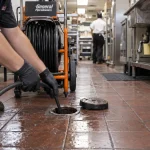
Snaking, also called cabling, can open a passage through a blockage. It does not restore the full opening of a pipe coated with grease. Hydro jetting is professional cleaning that scours deposits from the pipe walls rather than simply opening a hole through them.
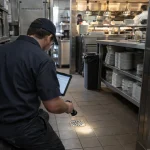
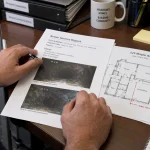
A second or third blockage on the same line within two to three years is a reason to assess whether another basic clearing will hold. TAP TECH camera-inspects before recommending work, so you can see the condition of your own line.
For homeowners in Bayridge, the right recommendation may be cleaning alone. If the inspection finds a broken, collapsed, offset or badly sagging section, TAP TECH repairs and replaces damaged drain and sewer lines. Repairs receive a written quote after inspection, before work starts.
Does a slow kitchen sink mean the main sewer is blocked?
Not necessarily: a single slow kitchen sink often points to its own drain line. When several fixtures slow down together, the main sewer becomes a concern. Tell the specialist which fixtures are affected and whether using one causes water to appear in another.
Frequently asked questions
Can baking soda and vinegar remove kitchen grease buildup? They are not a reliable substitute for clogged drain cleaning when a line has a substantial grease coating. Fizzing at the sink does not show that deposits farther along have been removed.
Should I book cleaning every year? There is no single interval for every home. Line condition, previous blockages and kitchen use should guide the schedule. Our guide to drain cleaning as part of home maintenance explains the preventive approach.
Does a recurring clog always mean the pipe needs replacement? No. Buildup can cause repeat blockages in a pipe that still needs only cleaning. A camera inspection helps distinguish deposits from damage.
Know when to stop and call
Keeping grease, grounds and food scraps out of the sink reduces what collects inside the line. A recurring slowdown still needs assessment, not repeated experiments. Drains, sewers and sump pumps are all TAP TECH does, serving Kingston, Gananoque, Napanee and the 401 corridor.
If it's still slow, or it keeps coming back, that's the point to stop and call. TAP TECH camera-inspects the line, quotes a flat price before work begins, and clears it properly. Book online or call (613) 328-6600. Same-day service, Monday to Friday.
TAP TECH provides kitchen drain cleaning and hydro jetting in Kingston, with camera inspection guiding the recommended service.